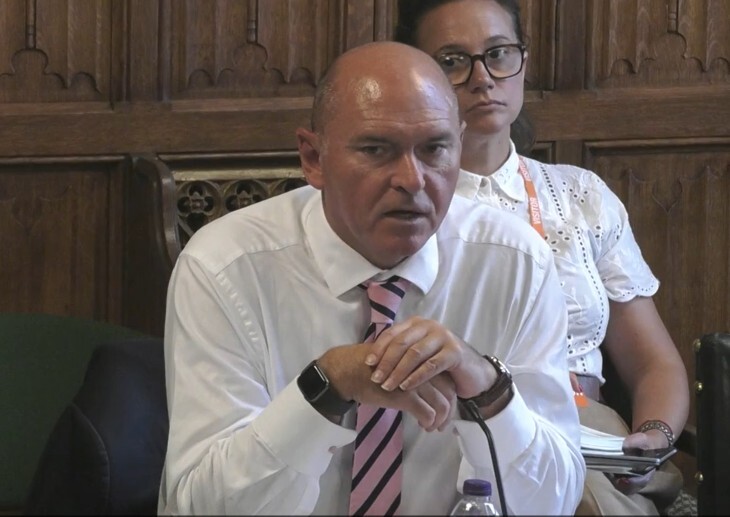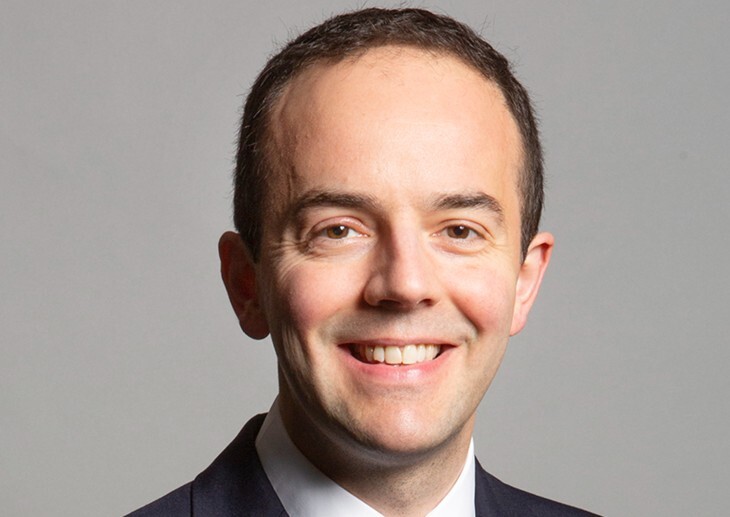
The new health secretary has vowed that a change of leadership has not brought a change of priorities.
James Murray told delegates that the focus and targets of the government remained on elective care, urgent and emergency care, GP access and dentists.
Mr Murray was appointed health secretary last month following the resignation of Wes Streeting.
Giving a keynote address at NHS ConfedExpo today Mr Murray said the NHS was at its best and able to deliver fastest when the message from the top is clear.
He added: ‘Too often in the past, a change of health secretary has come with a change of priorities.
‘As a result, the service gets flooded with messages of what they need to focus on next, and progress gets delayed.
‘The lesson of the last two years for me is that you are at your best, and you are able to deliver fastest, when the message from the top is clear.
‘And so let me say clearly that the focus and targets of this government on electives, UEC, and access to GPs and dentists remain.
‘The Medium-Term Planning Framework remains. And the 10 Year Plan remains.’
Mr Murray said that what he was bringing to the role was not ‘a change of course but a change of gear’.
‘I am determined that we accelerate our fundamental transformation and modernisation of the NHS by making sure that we make the fullest possible use of technology, digitisation and AI,’ he added.
He told the conference that he wanted staff to have the confidence he will back them in using new technology to improve the experiences and outcomes of patients.
Mr Murray added: ‘I believe people expect their public services to be as easy and convenient to use as services they get from the private sector – and it is our job to make that a reality.’
Mr Murray thanked NHS leaders and their teams for their work improving performance, including cutting waiting lists, offering online requests for GP appointments and getting ambulance response times and four-hour waits in A&E down.
He said the service had risen to the challenge to hit ambitious targets in the face of considerable pressure from strikes, early flu spikes, supply chain challenges, disease outbreaks and record demand.
And Mr Murray also told delegates that he did not want to diminish how tough the organisational changes have been on staff, especially those in the Department of Health and Social Care, NHS England and integrated care boards.
He added: ‘I think it is easy to forget in talk of headcount and savings that what we mean are people’s jobs and livelihoods – and however necessary the changes are, that is certainly not lost on me.
‘But some people doubted our ability to make the progress we promised, and you are proving them all wrong.
‘You have risen to the challenge.’
When asked why the government was focusing on GP access over continuity of care Mr Murray said that many people’s perception of how the NHS is performing comes from their relationship with their GP and how well they can access services.
He added: ‘So from our point of view, making sure that access is as simple as possible, that it’s modernised in the right way, that we change the services GPs provide, working with GPs to make sure that it works well is really important.
Mr Murray acknowledged the importance of continuity of care ‘particularly for frail patients, particularly for older people, where having that continuity of care helps to identify issues before they escalate and become more serious’.
He added that, ‘there are AI tools and technology that can help with that, but you need a human relationship there as well’.
He also said he was ‘disappointed’ that the resident doctors are going on strike next week.
When asked if he was willing to offer more money he said: ‘We cannot go further on pay, but when it comes to other aspects of the deal, when it comes to job opportunities, to terms and conditions, training options, that is where I want to work with them to strengthen the deal as much as possible.
‘We have been having some good conversations about that, so that leaves me disappointed that, despite having those conversations about how to improve other aspects of the deal, the strikes are still set to go ahead.’