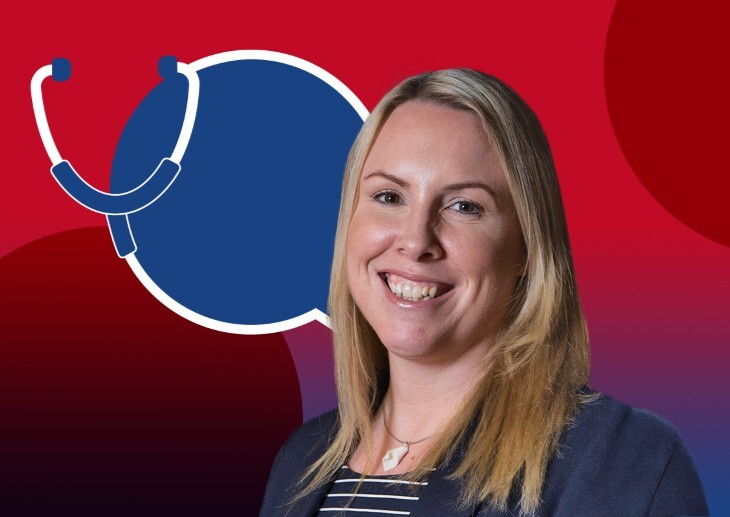
In the latest sickness to prevention column for Healthcare Leader, Alice Wiseman MBE, vice president of the Association of Directors of Public Health, reflects on the landmark Tobacco and Vapes Bill and what this moment means for public health and communities across the country.
It was 1962 when the Royal College of Physicians first linked tobacco to cancer, a major public health discovery. But few could anticipate the sheer devastation that tobacco would really cause. In the following decades, the horrifying consequences have become all too apparent.
Since 1971, eight million lives have been lost to smoking and it remains the leading cause of death in the UK. It is also responsible for 16 types of cancers and accounts for six in 20 cancer deaths. These figures reveal the devastating cost behind smoking – lives ended far too soon, with an unbearable toll placed on families and communities.
It is also one I have personally had to face. I lost my amazing dad at just 54 years old to lung cancer, directly because of a product that hooked him in childhood. That loss left our family without a dad and grandad, and it has shaped how I see my responsibility as a Director of Public Health to prevent the same harm happening to others.
Because what we need to recognise about smoking is that, just like my dad, most people aren’t able to make an informed choice to start. More than 80% of smokers start before they turn 20, many in childhood. By the time they reach adulthood, they have been trapped in a cycle of addiction many wish they had never been exposed to. Today, 11.9% of the UK population are smokers, and the vast majority want to quit but are unable to as a result of their addiction. People want this harm to end. Recent polling by Action on Smoking and Health shows that 65% of people in England want to live in a country where no one smokes.
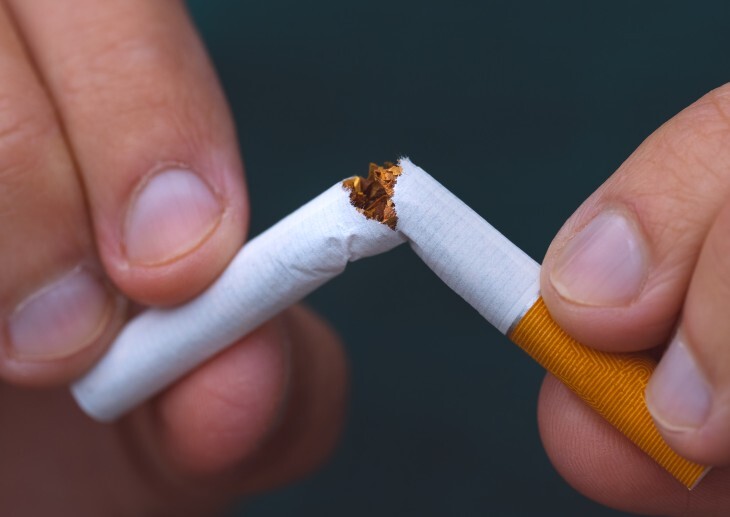
This is why the Royal Assent of the Tobacco and Vapes Bill is so significant. It is not just a legislation proposed by Government and public health bodies, but reflects what our communities truly want. By introducing a smoke-free generation, preventing people from ever legally being sold tobacco as they grow up, the Bill shifts our approach from treating people when they become ill, to focusing on protecting people from harm in the first place.
And as well as this incredible impact on individual people’s health, the Bill will save the UK a staggering £43.7 billion every year through reduced pressure on health and social care services and increased productivity in the workplace. It also offers a real opportunity to tackle the unacceptable gap between health outcomes for people living in different areas and from different backgrounds.
In 2023, 14% of people aged 18 and over living in the most deprived areas were current smokers compared with just 9% in the least deprived areas. This means those who are already under the greatest financial strain are also more likely to experience smoking-related illnesses, reducing their ability to work and worsening the challenges they face. But, by stopping new generations from ever being able to legally buy tobacco, the Bill will help tackle these inequalities at their root.
So, when we go back to the numbers, that’s eight million lives saved, children and young people that get to grow up without these harms, communities freed from the deeply unequal health outcomes smoking causes, and families, just like mine, saved from the pain and loss that has shaped so many of our lives.
But our work cannot stop with tobacco. Across public health, we face a battle from industries that profit from our communities consuming a wide range of harmful products. Many rely on the same tactics: aggressive marketing, selective research funding, and the spread of mis – and dis – information to downplay risks.
Among these key strategies is the reinvention of products, often framed as solutions to the negative consequences of the versions that came before. Products such as no- and low-alcohol alternatives, or even vapes are, in certain contexts, less harmful – but that does not mean they are harmless.
Vaping, for example, is an important tool for supporting people to quit smoking. But they should not be normalised among our children and young people, or non-smokers.
As directors of public health, we certainly have more to do, and we will continue to work hard with the Government, colleagues in local authorities, and other partners to deliver this new law. But to do this, we need to up our investment across regulation and enforcement so that the Bill can deliver on what it promises: giving our children and young people the freedom to live a future where everyone – regardless of background, education, or income – has more of an opportunity to live a healthy life for longer.