New government plans requiring retailers to hold a licence to sell vapes, tobacco, and nicotine products have been put forward to better protect children from the risks of vaping.
The proposed licensing scheme, outlined in a new government call for evidence, would give enforcement officers stronger powers to shut down illicit sellers and impose unlimited fines or on-the-spot penalties of £2,500.
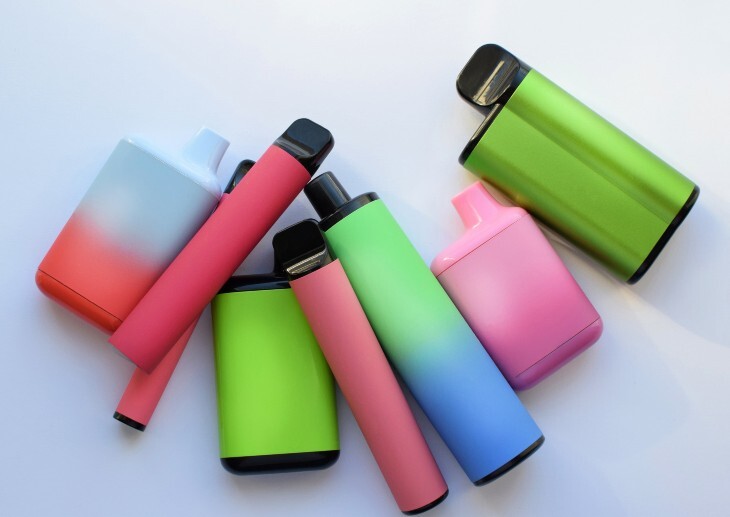
For the first time, shops would need formal authorisation to sell these items, closing what the Government described as a ‘major gap in the law’ that has allowed rogue traders to target young people with cheap, brightly packaged vapes often sold alongside sweets and toys.
It forms part of the Tobacco and Vapes Bill, which aims to create a smoke-free generation by banning tobacco sales to anyone born on or after 1 January 2009.
Health Minister Stephen Kinnock said: ‘Our new proposals will better protect children by rooting out the rogue retailers blighting our high streets and help adults know which shops are selling legitimate products.’
He added: ‘We want expert views on how we can develop the strongest possible regulations to protect our children as part of our Plan for Change, while ensuring adult smokers can still use vapes to quit smoking.’
In addition to licensing, the government’s call for evidence seeks views from health professionals, public health experts, charities, academics, retailers, and members of the public on flavours, nicotine strength, industry compliance, and the appearance of vapes.
The Tobacco and Vapes Bill, currently progressing through Parliament, will also ban the advertising and sponsorship of vaping and nicotine products, and provide powers to regulate flavours, packaging, and the display of vapes and nicotine products in shops.
A separate consultation on introducing smoke-free and vape-free places, as well as restrictions on vape packaging and changes to how and where they are displayed in shops, will follow next year.
Hazel Cheeseman, chief executive of ASH, said The Tobacco and Vapes Bill had ‘the potential to dramatically change how tobacco and vapes are sold – bringing in a smokefree generation, taking us closer to smokefree country and protecting children from vaping’.
Ms Cheeseman added that it was ‘vital’ to ensure regulations were ‘shaped by the best available evidence’.
Research from King’s College London and University College London suggests that selling vapes in plain packaging could reduce the uptake of vaping by young people.
It found 53% of children aged 11 to 18 felt their peers would be interested in trying vapes when shown branded packaging and flavours but this dropped to 38% with plain packaging and descriptions of flavours. Adult interest remained unchanged.
In June, a ban on single-use vapes came into effect, which intends to limit children’s access to cheap vapes and reduce their environmental impact.
The rapid rise in vaping in Britain has slowed, according to research published in April that found that the prevalence of vaping had remained ‘relatively stable’ since January 2024.
However, in October 2024, it was found that one million people vape despite never having been regular smokers.