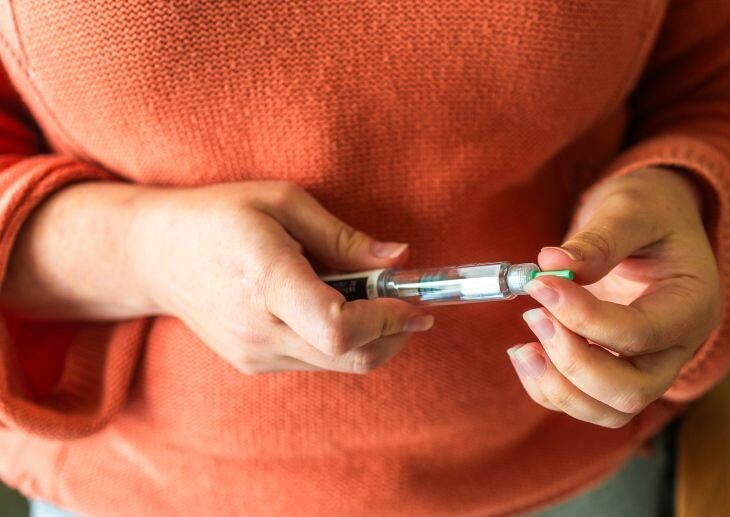
There is a risk that health inequalities will widen as access to GLP-1 weight-loss drugs expands, analysis by the Health Foundation has suggested.
The charity noted that there are an estimated 2.4 million people in the UK accessing GLP-1 drugs. However, due to NHS funding and eligibility criteria, many are turning to the private sector for treatment.
The report said that the data provided insight into ‘population-level demand for GLP-1 treatments not currently being met by the NHS’.
And it warned that although private providers were bridging the gap, there was a risk of widening health inequalities as uptake increased.
Findings, based on private prescription data of more than 113,000 patients, demonstrated ‘significant inequalities’, with people in the most deprived areas accessing 32% fewer GLP-1 prescriptions than those in the least deprived.
The report said: ‘Unless NHS availability explicitly counterbalances this skew, the healthy life expectancy gap is likely to persist or even widen, even if there are overall population health gains.’
And it warned that the health benefits of weight loss medications would ‘disproportionately benefit those already advantaged, while those living in deprived areas, who already carry the highest burden of premature cardiovascular disease and poor health outcomes, lag further behind’.
Co-author Samantha Field, senior fellow at the Health Foundation, said: ‘The NHS should be taking these findings into account as the roll out of these medications progresses, to ensure they are reaching the people who are most in need of them.’
She continued: ‘Ensuring fair public provision is essential, but these medications address a problem that is preventable. It’s more important than ever that government retains focus on making the changes to our food environment that could prevent obesity occurring in the first place.’
The report highlighted the government’s aim to halve the gap in healthy life expectancy between the most and least deprived areas, which is currently 19.1 years for men and 20.2 years for women.
It said that GLP-1 treatments could help reduce this expectancy gap, given ‘reduction in BMI would likely lead to the biggest absolute reduction in major illness among those living in the most deprived fifth of areas’.
The analysis is based on data from 113,630 people aged 18 years or older who received a private prescription for a GLP-1 treatment from online weight management provider Voy.
An NHS England spokesperson said: ‘The NHS is rightly prioritising the rollout of weight-loss drugs for those in the greatest clinical need and is exploring ways to accelerate the offering so that eligible people can benefit from safe and effective treatment wherever they live in England.
‘The NHS also offers a wide range of other support for people to lose weight, which has helped tens of thousands of people achieve a healthier weight and wider lifestyle benefits.’