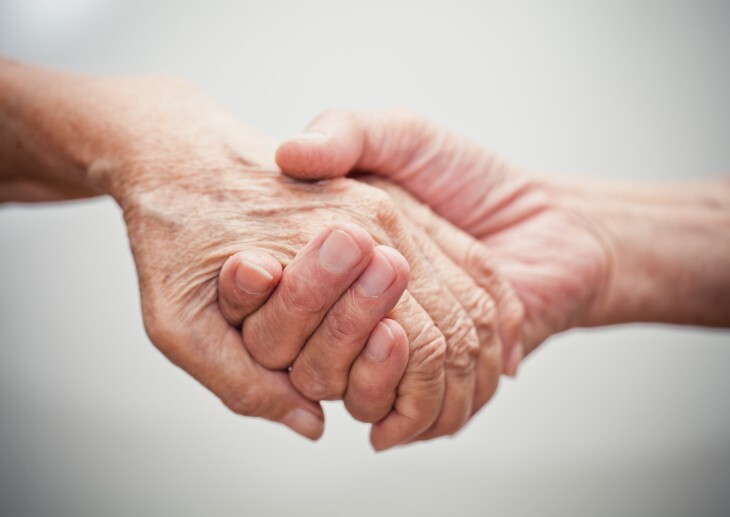
In our fourth article in our series on end of life care in the system, Kathy Oxtoby explores how Nottingham and Nottinghamshire ICB is working to better identify patients and train staff
The population in the UK is ageing and the years of ill-health with multiple conditions prior to death is increasing.
‘Of concern, the gap between the most and least deprived in the UK population is increasing, in terms of ill-health and life expectancy. Compounding this, we are still not addressing variability in access to services well enough,’ says Dr Julie Barker, a GP in Nottinghamshire, and clinical lead for EOL Care, Nottingham and Nottinghamshire ICS.
The number of deaths is set to rise continuously for the next 10-15 years as the population becomes more frail and aged, she says.
Life expectancy in Nottingham is also significantly lower than the England average, with approximately three years less for men and two years less for women.
‘With this challenge, we also have their children (potential carers) getting older and less able, fewer grandchildren and increasing pressures on social care.
‘The new NHS 10 year plan refers to this and has reiterated the need to do things differently, without the resources to assist change or the detail of how ICBs, needing to slash their infrastructure budgets by 50%, can creatively enable transformation.’
Dr Barker says the move to national digital enablers will be ‘one of the most effective initiatives’ in this area.
‘Another enabler is that of integrated neighbourhood teams which are envisioned to facilitate integration of statutory services with third sector organisations and community groups.’
The local picture in Nottinghamshire
Nottinghamshire has a ‘strong history’ of proactive and partnership working in end of life care across three decades, according to Dr Barker.
‘This has resulted in early implementation of an electronic end of life care database (EPaCCS), albeit not fully useable by all relevant care partners: this remains a work in progress,’ she adds.
Nottingham and Nottinghamshire ICB is ‘very successful’ in identifying those likely to be reaching the end of life, she says, with 0.76% of the population currently on the End of Life register. Of those who do die within a year, 91% have a Recommended Summary Plan for Emergency Care and Treatment (ReSPECT) plan in place.
‘Our accuracy of identification has risen to nearly 45%,’ says Dr Barker. ‘We also have a sophisticated supporting database called E-Healthscope which collates coded information and produces workflows to assist priority working via dashboards which highlight variability and help us assess progress in outcomes against targets.
‘We have demonstrated improvements in our service provision from our Ambitions Toolkit audit in 2021 and its review in 2024. It has resulted in further system transformation initiatives,’ she says.
In terms of partnership working, the ICB has four Places and 23 neighbourhoods and is currently rolling out Integrated Neighbourhood Teams in Mid Nottinghamshire and Bassetlaw, with others due to follow during the year.
Health partners in mid Nottinghamshire also came together to develop an alliance several years ago. This collaboration transformed integrated working in two clinical areas -musculoskeletal care and end of life care.
‘There has been a recent review and refresh of end of life care strategy. There is a co-designed plan to develop a bespoke care coordination service facilitated by our independent hospices, and an integrated service to support care at home, which will include the fast track component of care in the last 6-8 weeks to support people in their preferred place, usually home. This is going through the governance processes in the ICB currently,’ says Dr Barker.
‘We have about 44% of people dying in hospital generally. However, for those on our EPaCCS database, offered personalised care and support planning, the rate of achievement of preferred place of death, and family positive experiences approaches 90%,’ she says.
Training and awareness
Nottinghamshire has also invested in training around this area, with a Palliative and End of Life Care Toolkit, aimed at staff in any setting who want to improve their knowledge and skills in delivering end of life care, and created by end of life care professionals from Nottinghamshire.
The toolkit includes local and national information and reference documents. In collaboration with Birmingham/Solihull and Derbyshire, it was also extended to include training resources.
‘We had already identified training needs as a key priority from our Ambitions Toolkit review in 2021,’ says Dr Barker.
‘We had also undertaken a training needs survey via our training hub. It became apparent that many staff were not aware of existing readily available training materials and others had missed training events already delivered.
‘When grant funding via regional end of life teams became available in 2023 for projects which included workforce training as a potential focus, we collaborated with Birmingham and Solihull and Derbyshire who had similar aspirations, to work together to produce a web-based portal on which we could list all our training events and resources.
‘We were awarded £110,000 to develop the platform and resources, and to evaluate them.
‘Nottinghamshire teams agreed to identify key training area gaps in what was already available online and produce bite sized resources to fill them,’ says Dr Barker.
Examples of training resources developed include a EPaCCS training video, mouth care, managing seizures, and subtitled versions of ‘Joe’s ReSPECT journey’ (a ReSPECT summary for people and their families in the key non-English languages in the Midlands).
It took over a year to complete the project, but it is now up and running and being used.
Challenges were mostly around capacity of people to undertake the work and the enormity of the task, especially with three ICBs working together.
‘However, we organised ourselves well with a steering group and granted ourselves enough time to develop the resources to be successful,’ says Dr Barker.
The key ongoing challenge is to ensure that the toolkit is well used, she says. ‘Website usage in Nottinghamshire increased by 600% during our public awareness campaign but has dropped to just above baseline now. I hope that the various additional initiatives, such as planned training events and an EOLC newsletter, will improve this.’
The ICB also launched staff and public awareness digital packs in Dying Matters Week 2025, to encourage more widespread use of the toolkit.
System wide senates have been held with widespread engagement to facilitate a population health approach for end of life care, urgent admissions and frailty. ‘These focus attention on high priority areas of care indicated by unwarranted variability,’ says Dr Barker.
‘We have agreed annual end of life care and related topic system training,’ she says.
A community of practice has also been set up. This is an online forum which brings together leads in end of life and carer support across the whole ICB and from different disciplines.
‘It aims to improve cohesiveness, promote creativity and best practice, share information and help to address training needs. No additional resourcing was needed for this,’ says Dr Barker.
The ICB is also looking to implement a proactive care local enhanced service, which care coordinators and GPs will collaborate on using a predictive algorithm.
‘This will help us further improve our identification of patients who are most in need of advance care planning to ensure they are offered a holistic assessment leading to better support as they reach their last months of life,’ says Dr Barker.